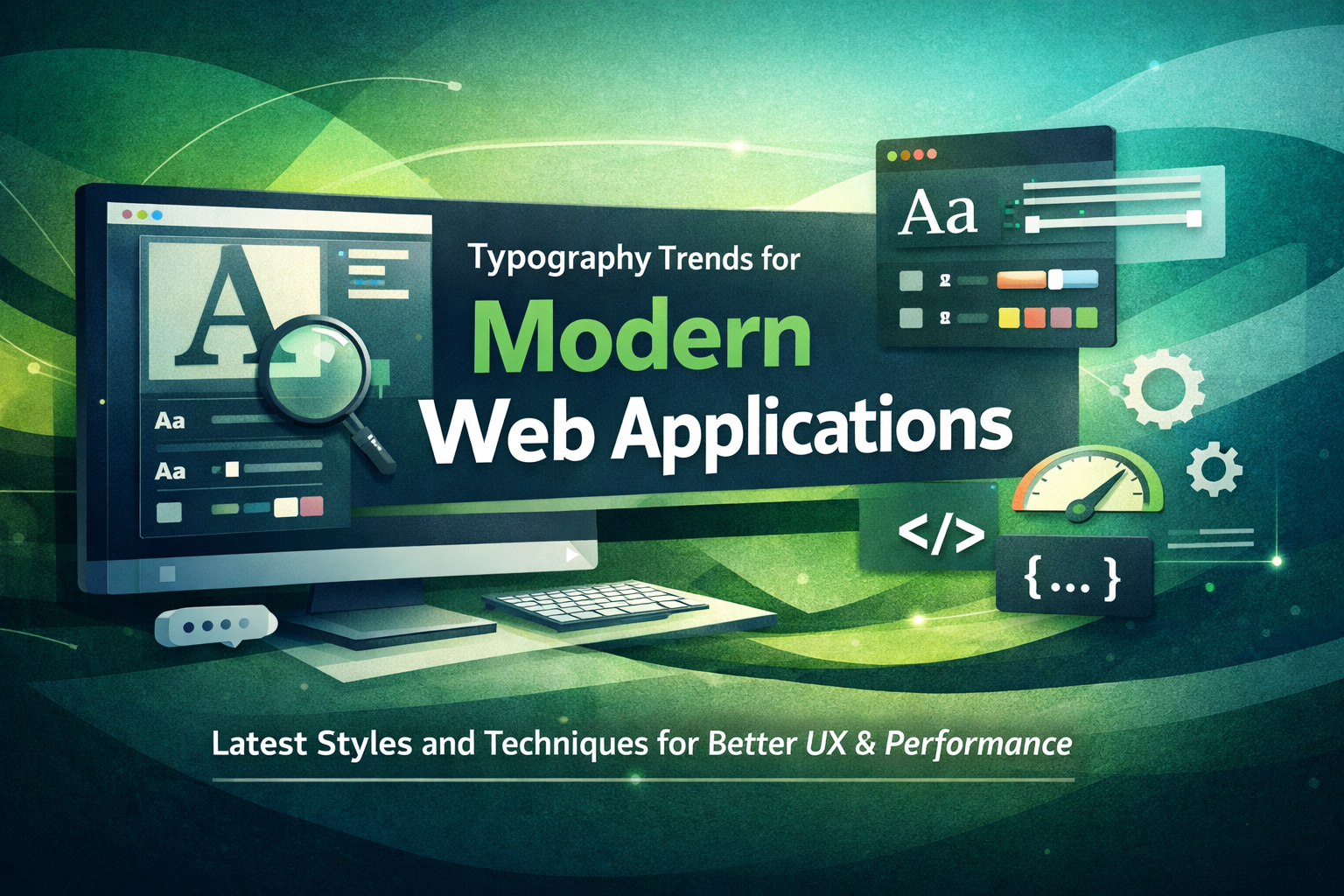
Typography Trends for Modern Web Applications
Typography plays a critical role in shaping the user experience of modern web applications. Beyond aesthetics, typography directly affects readability, accessibility, brand identity, and overall usability. As web applications continue to evolve with new technologies and user expectations, typography trends are also adapting to meet performance, responsiveness, and accessibility needs.
In 2025, designers and developers are focusing on typography that is not only visually appealing but also functional, fast-loading, and inclusive. Understanding the latest typography trends for modern web applications helps businesses create interfaces that engage users while maintaining clarity and consistency across devices.
1. Variable Fonts for Flexibility and Performance
Variable fonts are becoming a dominant typography trend in modern web applications. Unlike traditional fonts that require multiple files for different weights and styles, variable fonts store all variations in a single file. This reduces page load time and improves performance.
Developers can dynamically adjust font weight, width, and slant using CSS, giving designers more creative control without compromising speed. Variable fonts are especially beneficial for responsive web applications where typography must adapt smoothly across screen sizes.
2. Bold and Expressive Typography
Modern web applications are increasingly using bold and expressive typography to make strong visual statements. Large headings, high-contrast fonts, and dramatic text layouts help capture attention quickly and guide users through the interface.
This trend is commonly seen in SaaS platforms, landing pages, and dashboards where clarity and hierarchy are essential. Bold typography helps emphasize key actions, improve scannability, and enhance brand recognition.
3. Minimalist and Clean Font Styles
Minimalism continues to influence typography choices for web applications. Clean sans-serif fonts with simple letterforms are preferred for their readability and modern appearance. Fonts like Inter, Roboto, and Poppins remain popular due to their versatility and clarity.
Minimal typography reduces visual clutter, improves comprehension, and ensures that content remains the primary focus. This approach aligns well with modern UI and UX design principles.
4. Accessibility-Focused Typography
Accessibility is no longer optional in modern web applications. Typography trends now emphasize readable font sizes, proper line spacing, and sufficient contrast to support users with visual impairments.
Designers are avoiding overly decorative fonts and focusing on typography that meets WCAG accessibility standards. Features such as adjustable font sizes and improved readability enhance inclusivity and ensure a better user experience for everyone.
5. Custom Typography for Brand Identity
Custom typography is gaining popularity as brands seek to differentiate themselves in competitive digital spaces. Web applications are increasingly using bespoke or modified fonts to reflect their unique personality.
Custom fonts help build strong brand identity while maintaining consistency across platforms. With advancements in font optimization, custom typography can now be implemented without significantly impacting performance.
6. Motion and Interactive Typography
Motion typography is emerging as a creative trend in modern web applications. Subtle animations, hover effects, and text transitions enhance user engagement and provide visual feedback.
When used thoughtfully, animated typography can improve usability and guide user interactions. However, it is important to balance creativity with performance and accessibility considerations.
Conclusion
Typography trends for modern web applications are evolving to meet the demands of performance, accessibility, and user engagement. From variable fonts and bold typography to minimalist styles and accessibility-first design, modern typography is both functional and expressive.
By adopting these typography trends, businesses can create web applications that are visually appealing, easy to use, and optimized for modern users. Thoughtful typography choices not only enhance design but also improve user trust and overall digital experience.