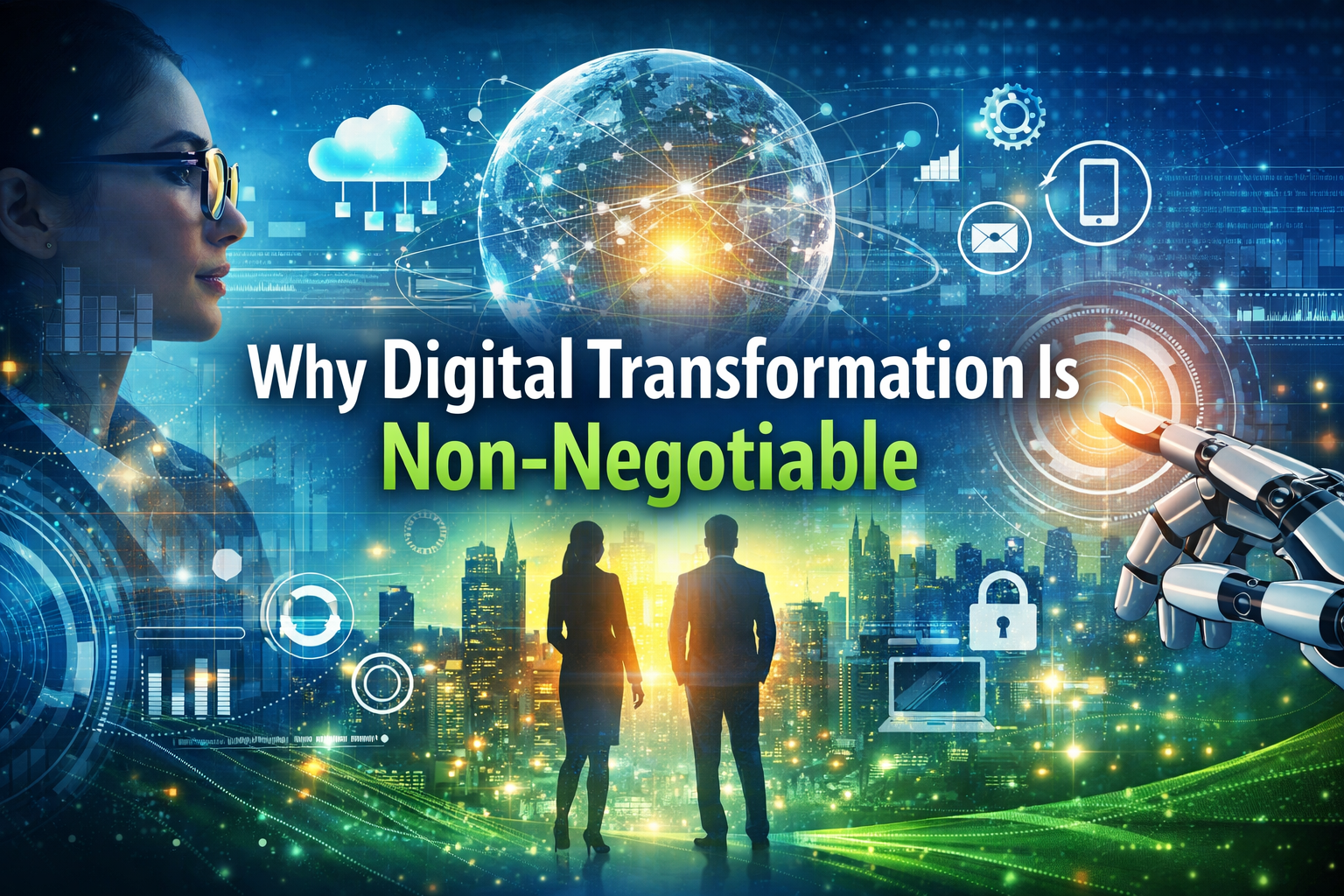
Why Digital Transformation Is Non-Negotiable
Digital transformation refers to the integration of digital technologies into all areas of a business. This change impacts how companies operate internally, deliver value to customers, and make strategic decisions. It is not just about adopting new tools but about reshaping the entire business mindset.
Changing Customer Expectations
One of the biggest reasons why digital transformation is non-negotiable is the shift in customer behavior. Today’s customers expect fast responses, personalized experiences, and seamless interactions across multiple platforms. They want to connect with businesses through websites, mobile apps, social media, and cloud-based services.
If a company fails to meet these expectations, customers quickly move to competitors who can offer better digital experiences. Digital transformation helps businesses use data analytics, automation, and customer relationship tools to understand user behavior and deliver more relevant services.
Operational Efficiency and Cost Reduction
Digital transformation significantly improves internal efficiency. Manual processes are time-consuming, error-prone, and expensive. By using cloud systems, automation tools, and digital workflows, companies can reduce operational costs while increasing productivity.
For example, automating finance, HR, and customer support tasks allows employees to focus on higher-value work. Real-time data access also improves decision-making, helping management respond faster to market changes.
Data-Driven Decision Making
Modern businesses generate massive amounts of data every day. Without digital systems, this data remains unused or poorly managed. Digital transformation enables organizations to collect, analyze, and interpret data effectively.
With proper analytics tools, companies can identify trends, predict customer needs, measure performance, and plan strategies based on facts instead of assumptions. This data-driven approach leads to better business outcomes and reduced risks.
Staying Competitive in the Market
Competition is no longer limited to local or regional players. Businesses now compete on a global scale. Startups with digital-first models can disrupt entire industries within months.
Digital transformation helps established businesses stay relevant by adopting modern technologies such as cloud computing, artificial intelligence, cybersecurity, and automation. These tools allow companies to innovate faster and respond quickly to new opportunities.
Improved Security and Compliance
As businesses move online, data security becomes critical. Digital transformation includes implementing strong cybersecurity measures to protect sensitive information. Cloud platforms and modern security systems help prevent data breaches, ensure compliance, and build customer trust.
In regulated industries, digital systems also make it easier to maintain records, follow compliance standards, and generate audit reports.
Supporting Remote and Hybrid Work
The modern workforce demands flexibility. Digital transformation enables remote and hybrid work through cloud platforms, collaboration tools, and secure access systems. This not only improves employee satisfaction but also expands the talent pool beyond geographic limits.
Companies that support digital work environments are more resilient and better prepared for unexpected disruptions.
Long-Term Business Growth
Ultimately, digital transformation is about future-proofing the business. Technology will continue to evolve, and customer expectations will keep rising. Organizations that invest in digital strategies today are better positioned for long-term growth.
Digital businesses are more scalable, adaptable, and innovative. They can launch new products faster, enter new markets easily, and respond to economic changes more effectively.
Conclusion
Why digital transformation is non-negotiable comes down to one clear fact: businesses that fail to adapt will not survive in the digital age. From improving customer experience to increasing efficiency, enhancing security, and enabling data-driven decisions, digital transformation impacts every aspect of a modern organization.
It is not just about using technology, but about building a culture that embraces change, innovation, and continuous improvement. Companies that take digital transformation seriously will lead the future, while those who ignore it risk becoming irrelevant.