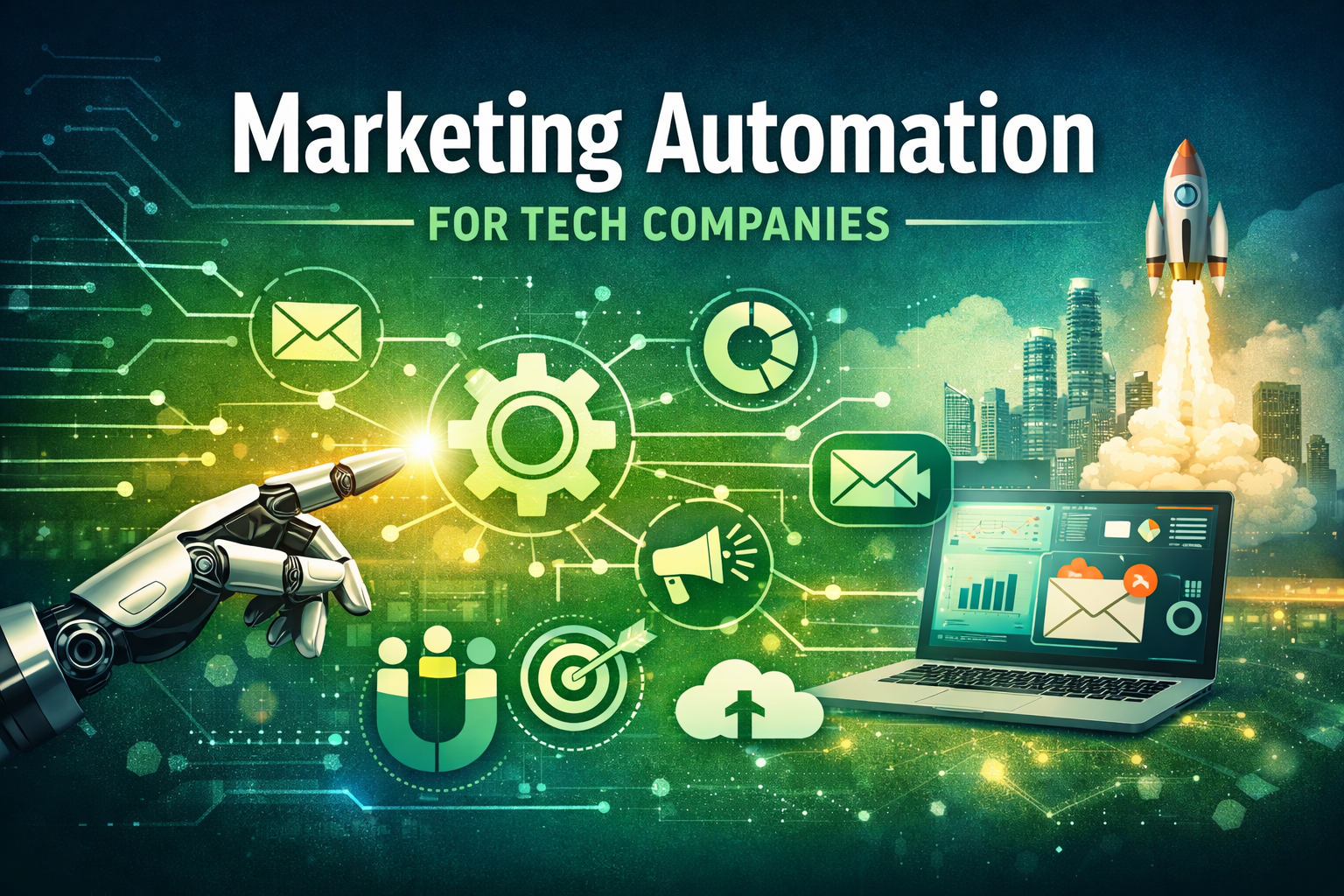
Marketing Automation for Tech Companies
Marketing Automation for Tech Companies is no longer a luxury; it is a competitive necessity in a digital-first economy. As technology businesses grow, they face complex sales cycles, multiple touchpoints, and high expectations from customers. Manual marketing processes simply cannot keep up with the speed and personalization that modern buyers demand. Marketing automation helps tech brands streamline their outreach, nurture leads intelligently, and convert prospects into loyal customers while saving time and cost.
Why Marketing Automation Is Critical for Tech Businesses
One of the biggest advantages of marketing automation for tech companies is its ability to manage large volumes of leads without sacrificing quality. Software firms, SaaS providers, and IT service companies often attract visitors from many channels including search, social media, ads, and webinars. Automation platforms capture these leads, score them based on behavior, and deliver the right message at the right time. This ensures that sales teams focus only on high-intent prospects instead of wasting effort on cold leads.
Personalization That Converts
Personalization is another powerful benefit. Tech buyers are highly informed and expect content that speaks directly to their problems. Marketing automation tools track user actions such as page visits, downloads, and email clicks. Based on this data, they send personalized emails, product recommendations, and educational content. This creates a smooth and engaging customer journey that builds trust and increases the chances of conversion.
Data-Driven Growth With Automation
For tech companies operating in competitive markets, data-driven marketing is essential. Marketing automation platforms provide detailed analytics on campaign performance, email engagement, and lead behavior. These insights allow marketers to refine their strategies and invest in channels that deliver the best results. Instead of guessing what works, businesses can rely on real-time data to make smarter decisions and improve their overall marketing ROI.
Scalability Without Rising Costs
Another reason marketing automation for tech companies is growing in importance is scalability. As a business expands, its marketing operations become more complex. Automation allows teams to run multiple campaigns, manage thousands of leads, and maintain consistent communication without hiring large numbers of staff. This is especially valuable for startups and mid-sized tech firms that need to grow fast while controlling costs.
Smart Integrations Create Better Customer Experiences
Integration is also a key factor. Modern marketing automation tools easily connect with CRM systems, customer support software, and analytics platforms. This creates a unified view of the customer and ensures that marketing, sales, and support teams are aligned. When all departments work from the same data, the customer experience improves and revenue opportunities increase.
Green SEO and Sustainable Marketing
From a green SEO perspective, marketing automation supports sustainable digital growth. By automating email nurturing, content distribution, and lead follow-ups, tech companies reduce wasted ad spend and focus on organic, high-quality traffic. Automation also helps deliver evergreen content to the right audience, improving dwell time and engagement, which are positive ranking signals for search engines.
Automation Improves Customer Retention
Marketing automation for tech companies also plays a major role in customer retention. Onboarding emails, feature updates, renewal reminders, and feedback requests can all be automated. This keeps customers engaged long after the first sale and increases lifetime value. Happy users are more likely to become brand advocates, helping generate referrals and positive online reviews.
How to Start Using Marketing Automation
To get started with marketing automation, tech companies should first map their customer journey. Understanding how a prospect moves from awareness to purchase helps in designing effective workflows. Next, they should choose a platform that fits their business size, budget, and technical requirements. Finally, continuous testing and optimization are essential to ensure that automation remains aligned with changing customer needs.
Final Thoughts
In conclusion, marketing automation for tech companies is a powerful growth engine that combines efficiency, personalization, and data-driven strategy. By automating repetitive tasks and delivering relevant experiences, tech businesses can attract better leads, close more deals, and build lasting customer relationships. In a fast-moving digital landscape, companies that embrace smart automation will stay ahead of the competition and achieve long-term, sustainable success.