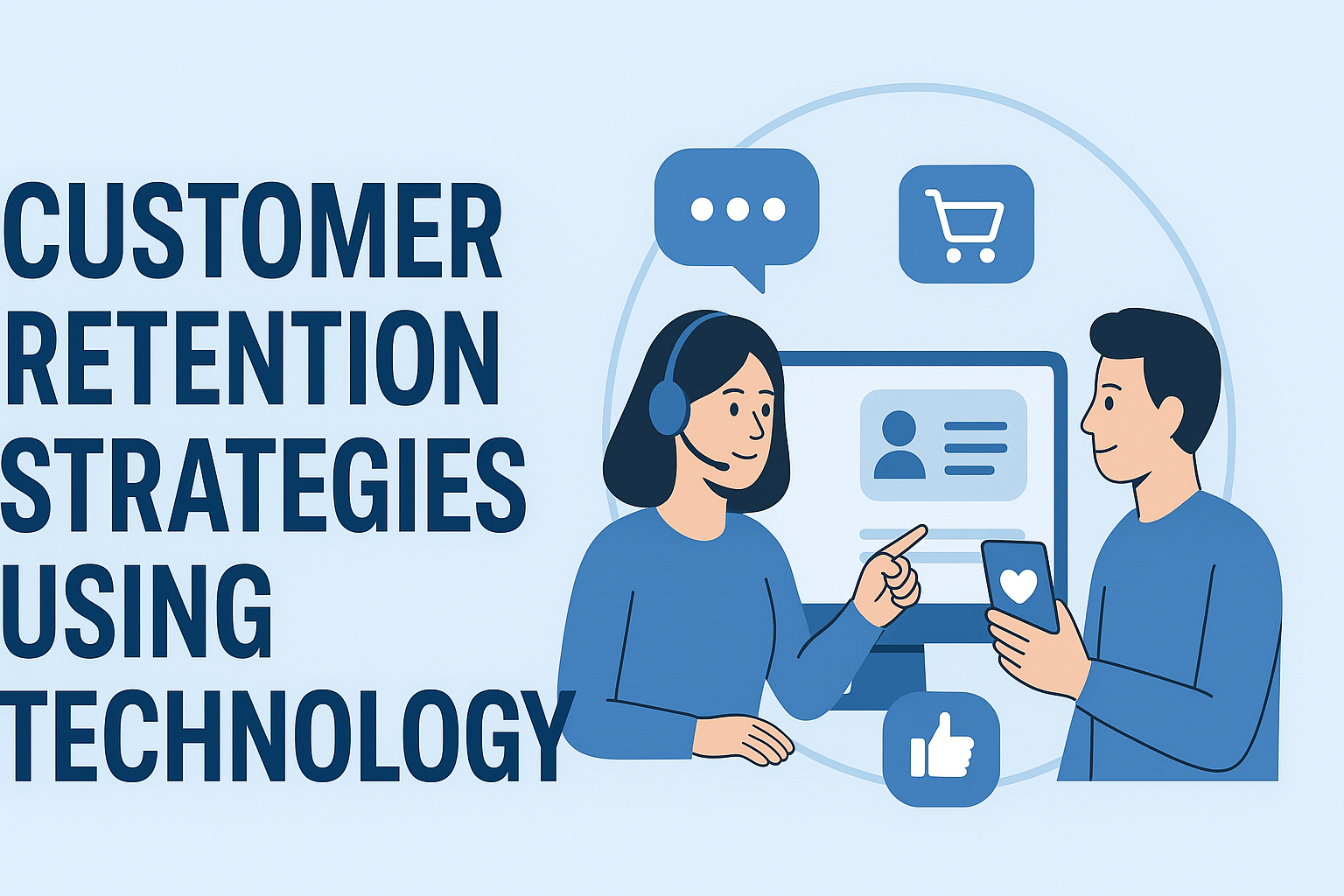
Customer Retention Strategies Using Technology
Customer retention is no longer just about providing good products or services. In today’s digital era, businesses must leverage technology to build lasting relationships with customers. Customer retention strategies using technology help brands understand customer behavior, personalize experiences, and maintain consistent engagement. Retaining existing customers is more cost-effective than acquiring new ones, making retention a critical growth factor.
Technology enables businesses to stay connected with customers, predict their needs, and deliver value at every interaction point. When used strategically, digital tools can significantly increase customer loyalty and lifetime value.
Why Customer Retention Matters in the Digital Age
Customer expectations have evolved rapidly. Modern customers expect fast responses, personalized communication, and seamless experiences across platforms. Technology makes it possible to meet these expectations efficiently.
High retention rates indicate customer satisfaction, trust, and emotional connection with a brand. Businesses that focus on retention benefit from repeat purchases, positive word-of-mouth marketing, and stronger brand authority. Technology helps track customer journeys and identify areas for improvement, ensuring long-term engagement.
Key Customer Retention Strategies Using Technology
1. CRM Systems for Personalized Experiences
Customer Relationship Management systems store valuable customer data such as purchase history, preferences, and interactions. Businesses can use this data to personalize communication, offer tailored recommendations, and create targeted marketing campaigns. Personalization increases customer satisfaction and strengthens loyalty.
2. AI and Data Analytics
Artificial intelligence and data analytics tools analyze customer behavior patterns and predict future actions. Businesses can identify churn risks early and take proactive steps to retain customers. Predictive analytics helps deliver timely offers and relevant solutions, improving customer engagement.
3. Email Marketing Automation
Automated email campaigns keep customers informed and engaged without manual effort. Personalized emails, loyalty updates, and exclusive offers help maintain regular contact with customers. Automation ensures consistent communication while saving time and resources.
4. Mobile Apps and Loyalty Programs
Mobile apps provide direct access to customers and enhance engagement. Integrated loyalty programs reward repeat purchases, encouraging customers to stay connected with the brand. Digital reward systems make it easy for customers to track points and benefits, increasing participation.
Enhancing Customer Support with Technology
Technology plays a major role in improving customer support experiences. Chatbots and AI-powered assistants offer instant responses, reducing wait times. Omnichannel support systems allow customers to reach businesses through chat, email, social media, or phone seamlessly.
Efficient support builds trust and shows customers that their concerns matter. Quick problem resolution significantly improves retention rates.
Measuring Retention Success Through Technology
Technology enables accurate measurement of retention performance. Tools such as customer feedback platforms, analytics dashboards, and net promoter score tracking help businesses evaluate satisfaction levels. These insights allow continuous improvement of retention strategies.
Regular monitoring ensures that businesses adapt to changing customer needs and market trends effectively.
Conclusion
Customer retention strategies using technology are essential for sustainable business growth. By leveraging CRM systems, automation, analytics, and digital engagement tools, businesses can create meaningful customer relationships. Technology not only enhances customer experiences but also strengthens loyalty and long-term profitability. Companies that invest in smart retention strategies today will gain a competitive advantage in the future.